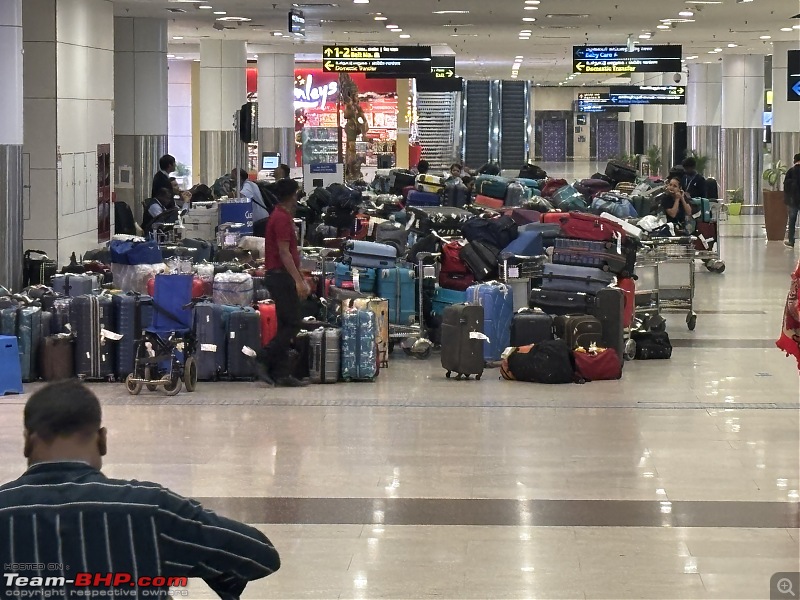
India’s aviation industry has long been a story of rapid growth and connectivity. Among its players, IndiGo, operated by InterGlobe Aviation, has stood out as a model of efficiency. Dominating around 60–65% of domestic air travel, it has earned a reputation for punctuality, affordable fares, and a lean operational model. For nearly two decades, this approach delivered profitability and market dominance. Yet, even the most streamlined systems can face unexpected shocks — and IndiGo’s late-2025 crisis was a vivid example.
Trigger
The immediate trigger was regulatory. The Directorate General of Civil Aviation (DGCA) introduced updated Flight Duty Time Limitations (FDTL) in 2025 to reduce pilot fatigue and improve safety. Fully enforced from November 1, 2025, these rules mandated:
Longer weekly rest for pilots (48 hours vs 36)
Fewer night landings per week (2 vs 6)
Tighter night duty limits
While safety advocates welcomed the move, the changes collided with IndiGo’s hyper-lean staffing model, exposing operational vulnerabilities.
IndiGo, operated by InterGlobe Aviation, is India’s largest carrier by market share — handling over 60–65% of domestic traffic. It has built its reputation on punctuality, low fares, and a tightly optimized fleet and crew roster. For nearly two decades, this model delivered profitability and dominance.
However, the industry — and IndiGo in particular —faced a regulatory shift: new pilot duty and rest regulations introduced by India’s aviation regulator, the Directorate General of Civil Aviation (DGCA), aimed at reducing pilot fatigue and improving flight safety.
The intentions were widely supported. Long-haul carriers and safety advocates welcomed the changes as aligning India with international best practices. But as the changes took effect, unexpected consequences rippled through operating schedules — especially at IndiGo.
Pilot Shortages and Roster Chaos
IndiGo’s pilot strength fell from roughly 5,463 in March 2025 to 5,085 by December, a nearly 7% decline, even as fleet size and flight numbers expanded. With new rest rules, pilot availability dropped sharply, creating gaps in schedules.
In principle, all airlines had a two-year window to prepare for these new norms. But in reality, IndiGo’s preparation was widely seen as inadequate. Reports say that instead of increasing pilot strength, IndiGo’s pilot count fellfrom about 5,463 in March 2025 to around 5,085 by early December — adrop of around 7% even as fleet size and flight numbers expanded.
This created a structural gap as new rules demanded more rest — reducing the number of hours pilots were legally available to fly each week.
Pilots’ representatives, particularly the Federation of Indian Pilots (FIP), said the crisis was not simply about the new rules, but about IndiGo’s long-term lean manpower strategy. They argue: