ADR says “between 2022 and 2024, over 3,260 registered unrecognised political parties
(RUPPs) collectively received more than Rs10,000 crore in electoral donations, raising alarms about potential misuse as “slush money”, indicating “possible money laundering.”
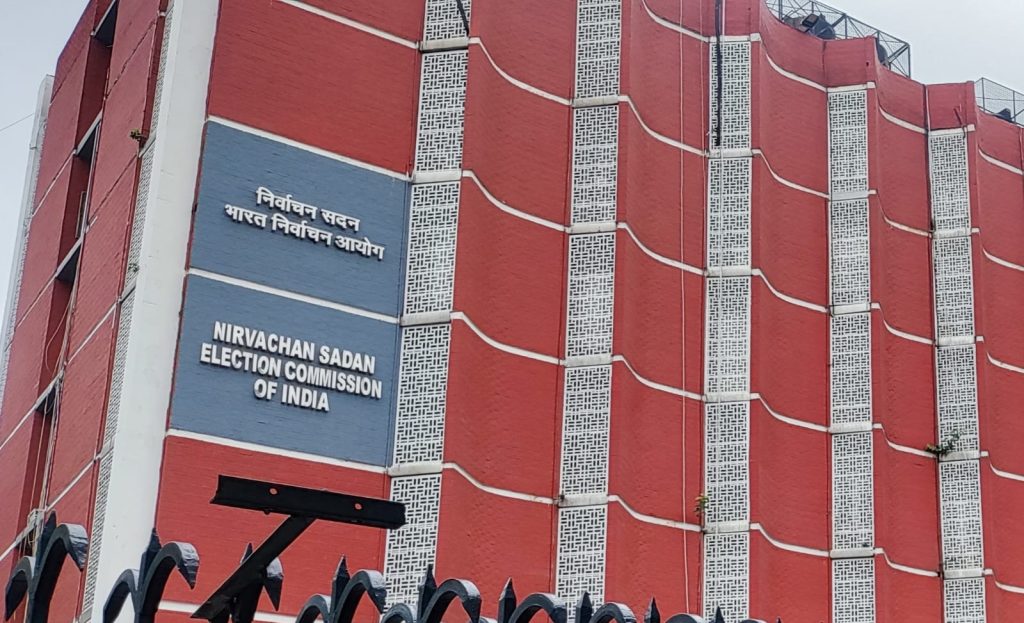
Photo by Naveen Bansal
Between 2022 and 2024, over 3,260 registered unrecognised political parties
(RUPPs) collectively received more than Rs10,000 crore in electoral donations, raising alarms about potential misuse as “slush money.” ADR investigations suggest that much of this funding is funnelled to shell companies through complex bank account networks, indicating possible money laundering.
This latest Association for Democratic Reforms (ADR) report analyses the status of submission of annual audit reports and contribution reports of registered unrecognised parties for FY 2022-23.
The report looks at the status of submission of the annual reports of these parties and the income, expenditure and donations declared by them during the FY 2022-23.
RUPPs’ political funding
According to the ADR, political funding for RUPPs primarily comes from voluntary contributions by individuals and corporate entities, as permitted under Section 29B of the Representation of the People Act (RPA), 1951.
Foreign funding is prohibited under the Foreign Contribution (Regulation) Act, 2010.
These parties enjoy income tax exemptions under Section 13A of the Income Tax Act, 1961, provided they file their income tax returns and disclose details of donations exceeding Rs 20,000 to the ECI annually.
“However, many RUPPs fail to comply with these requirements, leading to issues like tax evasion and money laundering. For instance, in 2019–20, 219 RUPPs claimed tax exemptions worth Rs 608 crore, yet 66 of them did not submit mandatory contribution reports, underscoring widespread non-compliance with Election Commission of India (ECI) regulations.
‘Slush money’
“The lack of consistent financial reporting and minimal electoral activity by many RUPPs has led the ECI to initiate cleanup drives, delisting non-compliant parties and enforcing stricter regulations, ” ADR said, adding that
“between 2022 and 2024, over 3,260 RUPPs collectively received more than Rs 10,000 crore in electoral donations, raising alarms about potential misuse as “slush money.”
“Investigations suggest that much of this funding is funnelled to shell companies through complex bank account networks, indicating possible money laundering. In 2022, the ECI delisted 537 RUPPs for non-compliance, such as failing to submit audited accounts, contribution reports for donations above ₹20,000, or election expenditure statements. The ECI also introduced a web portal in 2023 to streamline digital filing of financial statements, with reminders to enforce compliance,” it said