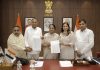
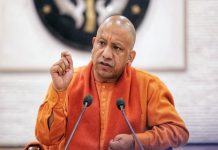
The hectic three-day tour of PM Modi to Europe under the shadow of Russian invasion of Ukraine has sent a strong message to the NATO members as well as to Russia that “the peace is the only option for resolving the conflict”
The hectic three-day tour of the Indian Prime Minister, Narendra Modi, to Europe, including meetings with the leaders of the Nordic countries, that too under the shadow of the avoidable Russian invasion of Ukraine, gives a strong message to the NATO members as well as to the Russian friends that “the peace is the only option for resolving the conflict”. The visit was significant as it took place just on the heels of the visit of the president of the European Union, Ursula von der Leyen and the British Prime Minister, Boris Johnson, to India. India has been under pressure of the US-led western powers to condemn Russia for invading Ukraine since February this year. Russia is also keen that India should formally join the new strategic alliance, RIC-Russia, India and China. However, in this geo-power game, India is strictly adhering to her non-aligned policy.
It is hoped that the comment of Netherland’s ambassador, Karel van Oosterom, to the UN, asking India that she should not have been abstaining during the crucial voting against Russia in UN forums would not cast any adverse impact on the visit. It only reveals that most of the diplomats in the developed world are still living in the cold war era. It may be recalled that about a quarter of century ago, the American scholar, John Kenneth Galbraith, who had also served as the US Ambassador to India, had cautioned the developed world that “What is this military power and what are the sources of its strength? This first source to strengthen the military power in democratic countries is the belief that any government, any governmental instrument, is naturally subject to democratic process. It is strong in our rhetoric, but the modern military establishment and the organization it controls, the money it deploys, the captive politicians it commands, the scientific community that it subsidizes, and under the cloak of patriotism that protects it, has become a polar force in its own right”. The ongoing Russian-Ukrainian conflict needs to be studied with this perspective.
Galbraith had further stated that “The military services, the defence department civilians, [and] the serving industries now employ about six and a half million people and generate over $146 billion in business to private enterprise.”