Indian Nurse Nimisha Priya Faces Execution in Yemen Amid Diplomatic and Legal Gridlock
“We are still hopeful. The tribal negotiations are delicate but ongoing,” said a family representative speaking from Yemen.
However, the urgency of the situation cannot be overstated. With only 48 hours remaining, activists fear there may not be enough time for a breakthrough.
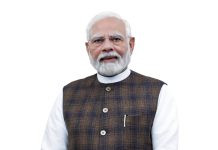
Meanwhile, Kerala Chief Minister Pinarayi Vijayan has written to Prime Minister Narendra Modi, urging “urgent and necessary intervention” to halt the execution.
Congress leader KC Venugopal also appealed to the PM, calling the issue “a matter of national concern.”
Back home, protests and vigils continue in Kerala. Human rights activists have argued that Priya never received a fair trial—she was not provided a translator or adequate legal aid—and her mental and emotional state at the time of the crime was never properly assessed.
For Priya’s 12-year-old daughter, now living in India, time is slipping away. “I want my mother back,” she said in a recent emotional video, broadcast by several Indian news channels.
Meanwhile, Priya remains on death row in a Yemeni prison, reportedly unaware of the exact timing of her execution.
Unless the victim’s family accepts the blood money or a last-minute diplomatic miracle occurs, Nimisha Priya may be executed by firing squad on July 16. The case has become a lightning rod for debates on diplomacy, justice, and the rights of Indian migrant workers abroad—raising hard questions about how far a government can, or should, go to save its citizens in foreign legal systems.