Bangladesh at a Crossroads: India Watches as Political Fault Lines Deepen
For Prime Minister Narendra Modi, preserving stable ties with Bangladesh is a strategic necessity. Despite its small size, Bangladesh holds critical geostrategic importance, especially as Pakistan appears to be renewing efforts to expand its influence in Dhaka. Reports of increased military contacts, ISI outreach, and resumed Karachi–Dhaka flights under the Yunus-led caretaker government have fuelled speculation about whether Bangladesh is being steered in a new direction. A report by Jayanta Ghosal
By Jayanta Ghosal
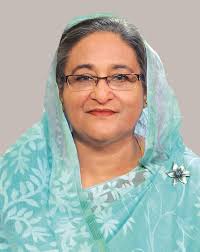
A significant political shift took place in Bangladesh in August last year, culminating in the ouster of Prime Minister Sheikh Hasina. On August 5, 2025, she stepped down and flew to India, landing in Delhi, where she has since sought political shelter. Her departure triggered a sharp downturn in India-Bangladesh relations.
To understand the gravity of the present moment, one must revisit history. Bangladesh was born in 1971 out of a bloody Liberation War against Pakistan, driven by Bengali nationalism and the Mukti Joddha movement. India played a decisive role in that struggle, ultimately defeating Pakistan in war. Today, however, questions are being raised: Do Islamic fundamentalist forces such as Jamaat-e-Islami seek to redefine Bangladesh’s identity? Is there an attempt to reverse the ideological legacy of 1971?
These concerns are particularly relevant as Bangladesh heads into general elections alongside a mass referendum known as the July Referendum. The electorate is casting votes not only for political leadership but also, symbolically, for the nation’s ideological direction.
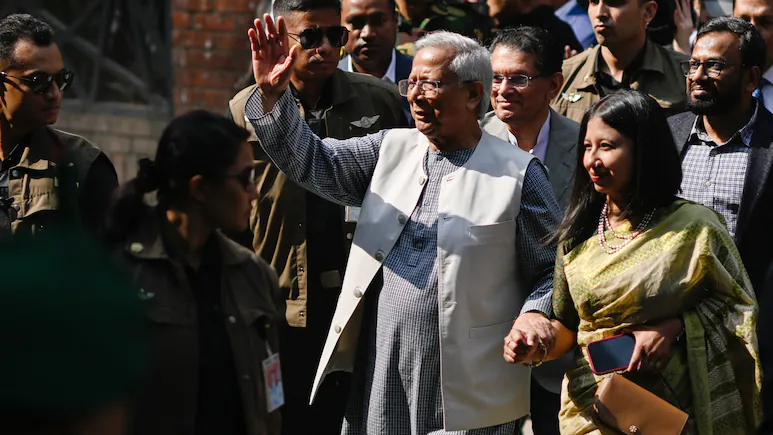
For Prime Minister Narendra Modi, maintaining stable bilateral ties with Bangladesh remains a diplomatic imperative. Despite its relatively small geographical size, Bangladesh occupies a crucial geostrategic position. Pakistan is widely perceived to be seeking renewed influence in Dhaka. In recent months, reports have suggested attempts by the Pakistan Army to strengthen ties with the Bangladesh Army. ISI representatives have reportedly visited Dhaka, and flights between Karachi and Dhaka have resumed under the caretaker government led by Muhammad Yunus. This has led to speculation: Is Yunus steering Bangladesh in a new direction?
At present, the principal political contest is between the Bangladesh Nationalist Party (BNP) and Jamaat-e-Islami. For the first time in the country’s history, Jamaat is contesting the elections independently. Once allied with the BNP, Jamaat now finds itself in direct competition.
The Awami League, led by Sheikh Hasina, has been barred from participating in the elections. Hasina has reportedly instructed party leaders not to contest even as independents, leaving the Awami League symbol absent from the ballot. However, Awami League leaders continue to emphasize the need to prevent Jamaat’s rise.
The BNP, while historically opposed to the Awami League, acknowledges the legacy of the 1971 Liberation War and maintains a relatively trade-friendly stance. Some analysts believe that anti-Jamaat votes may consolidate behind the BNP. Concerns persist that a Jamaat-led government could heighten insecurity for Hindu minorities and tilt Bangladesh closer to Pakistan—developments that would directly affect India’s strategic interests.