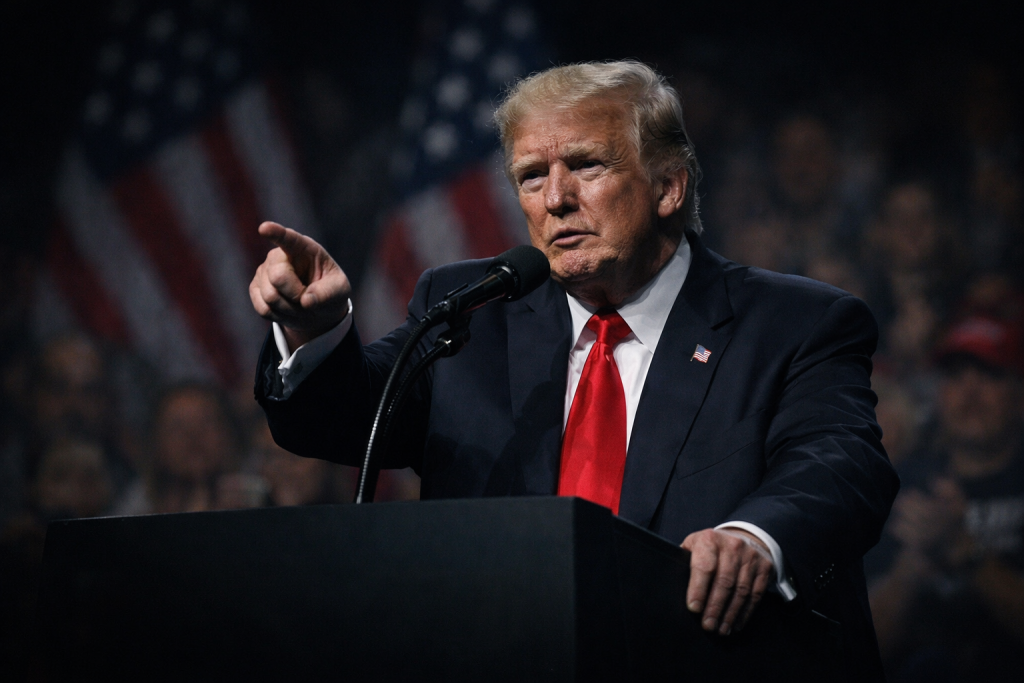
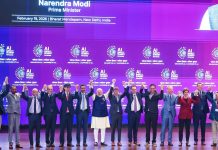
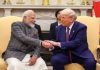
The India–EU trade deal did not happen in isolation. It is the product of a changed global order, where geopolitics drives economics more than free-trade ideology, shaped decisively by Trump’s tariffs, economic nationalism and weaponised trade, writes Charanjit Ahuja
This is why the deal faced far less domestic backlash than EU trade deals with China or even the US.
Both India and the EU now prioritise strategic autonomy: The EU wants autonomy from US unpredictability and Chinese dominance and India wants autonomy from China-centric supply chains and Western policy swings. The trade deal strengthens: Trusted supply chains, Technology partnerships, Mobility of talent and Economic resilience. As a result it is not just a commercial agreement; it is economic statecraft.
Foreign policy experts point out that Trump’s tariff-driven geopolitics shattered the illusion that trade is apolitical. In response, India and the EU chose pragmatism over ideology to diversify risk, to have trade with partners who complement rather than compete and anchor economics in strategic trust.
That is why this deal was possible now — and not in the previous two decades.
It is not just the “mother of all deals” in size, but in timing and geopolitical logic. The agreement connects two of the world’s largest economic blocs — India (a fast-growing major economy) and the European Union (a political and economic union of 27 countries) — creating a combined market of ~2 billion people and roughly 25–30% of global GDP.
After nearly two decades of negotiations, it marks one of the most ambitious Free Trade Agreements (FTAs) India has ever signed — covering goods, services, investment, mobility, intellectual property, supply chains, and more. The EU will eliminate or sharply reduce tariffs on about 96.6% of goods by value entering India — the deepest tariff cuts India has ever offered to any partner. India, in return, offers preferential access on most exports to the EU (~99.5% of trade value) with zero tariffs on key labour-intensive sectors.
Unlike many FTAs that focus mainly on tariff cuts, this deal also covers services, professional mobility, and regulatory cooperation, which means: India gains entry for Indian firms in sectors like IT, finance, education, and more. A framework to ease visas and work permits, even for AYUSH practitioners where regulations allow.
In short, it’s called the “mother of all deals” because it’s massive in size, comprehensive in scope, and strategically transformative — not just a simple exchange of tariff cuts.
The deal is win-win for India and the European Union. EU exporters secure deeper access to India’s fast-growing consumer market and can double exports by 2032. European goods entering India will face far lower duties, saving an estimated €4 billion annually. The EU companies benefit from investment and supply chain ties, especially in manufacturing, machinery, chemicals, and high-tech goods.