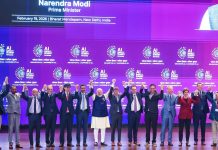
The making of the India–EU trade deal
The India–EU trade deal did not happen in isolation. It is the product of a changed global order, where geopolitics drives economics more than free-trade ideology, shaped decisively by Trump’s tariffs, economic nationalism and weaponised trade, writes Charanjit Ahuja
Tariffs on European machinery, electrical equipment, chemical products, and industrial tools are being lowered or removed — which reduces the cost of imported components and equipment. When manufacturers source cheaper inputs from Europe, some of the cost savings can get passed on to consumers in products like electronics, appliances, and industrial goods.
Many luxury goods such as chocolates, designer accessories, perfumes, cosmetics and other European lifestyle imports will see tariff cuts, making them more competitively priced in India. Items previously seen as high-end or luxury imports may become more accessible to a wider set of buyers.
However, tariffs fall will be gradual (over several years): prices won’t drop overnight but should become noticeably lower as duties are phased out. GST, cess and local levies will still apply, so imports won’t be ultra-cheap, but significantly more affordable than before.
India has kept some sensitive sectors (like dairy or basic foods) outside these tariff cuts to protect domestic producers.
The India–EU trade deal transforms Europe from a fragmented, uncertain destination into a strategic, rules-based opportunity zone for Indian students and professionals. It doesn’t just open doors—it keeps them open, making Europe one of the most stable and attractive destinations for India’s next generation of global talent.
What still needs to be done is that this deal must be ratified by the European Parliament, member states, and India’s Parliament/cabinet before coming into force (likely in 2026–27).