“WE GOT HIM”: U.S. rescue of a downed F-15 colonel behind enemy lines
From the moment the jet was shot down to the final extraction under fire, the rescue of the stranded colonel was a race against time in one of the world’s most hostile environments. The operation combined precision intelligence, elite ground forces, and overwhelming airpower.
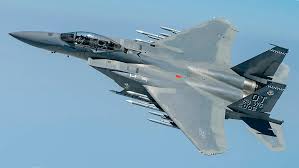
Representative Image
In a dramatic development amid escalating conflict in West Asia, U.S. President Donald Trump announced the successful rescue of a missing American airman, declaring on Truth Social: “WE GOT HIM!” — confirming that a “highly respected Colonel” is now “safe and sound.”
The officer, part of a two-member crew aboard an F-15E Strike Eagle, had been stranded deep inside Iran after the aircraft was shot down earlier this week, triggering one of the most complex and high-risk rescue missions in modern U.S. military history.
The crisis began when the F-15E was brought down over mountainous terrain in southwestern Iran during ongoing hostilities. One crew member was recovered earlier, but the second—identified as a colonel and weapons systems officer—remained missing for nearly 48 hours.
Stranded in hostile territory, the colonel reportedly relied on advanced survival training, evading enemy patrols while injured and isolated. U.S. officials monitored his position continuously, tracking his movements in rugged terrain where Iranian forces were actively searching for him.
According to official accounts, the U.S. military launched an intensive, round-the-clock search operation immediately after the crash. Satellites, drones, and surveillance aircraft tracked the colonel’s location in real time. Intelligence units coordinated signals and encrypted communications from the ground. Command centers in Washington monitored the situation continuously for over 24 hours and rescue plans were repeatedly revised as enemy forces closed in.
Trump stated that the officer was “never truly alone,” with top military leadership closely supervising every stage of the mission. When the window opened, the U.S. launched a full-scale combat search-and-rescue (CSAR) mission—one that officials have described as among the most daring ever attempted.
The operation involved dozens of heavily armed aircraft, including fighter escorts and rescue helicopters, special operations forces, including elite pararescue teams, helicopter insertions deep into enemy territory under fire and coordinated air cover to suppress hostile forces.
Reports indicate that U.S. forces faced active resistance during the extraction, with firefights breaking out as helicopters moved in to retrieve the colonel. Despite the danger, the rescue team successfully evacuated him without American casualties. In a sign of the operation’s intensity, U.S. forces even destroyed some of their own equipment on the ground to prevent sensitive technology from falling into enemy hands.
Trump described the mission as “one of the most daring Search and Rescue Operations in U.S. History,” highlighting that two separate pilots were rescued from deep inside enemy territory, the operations were carried out within a short span of time and that no American lives were lost during either mission